
Canadian Whisky and Rye: Origin, Production, and Cigar Pairing
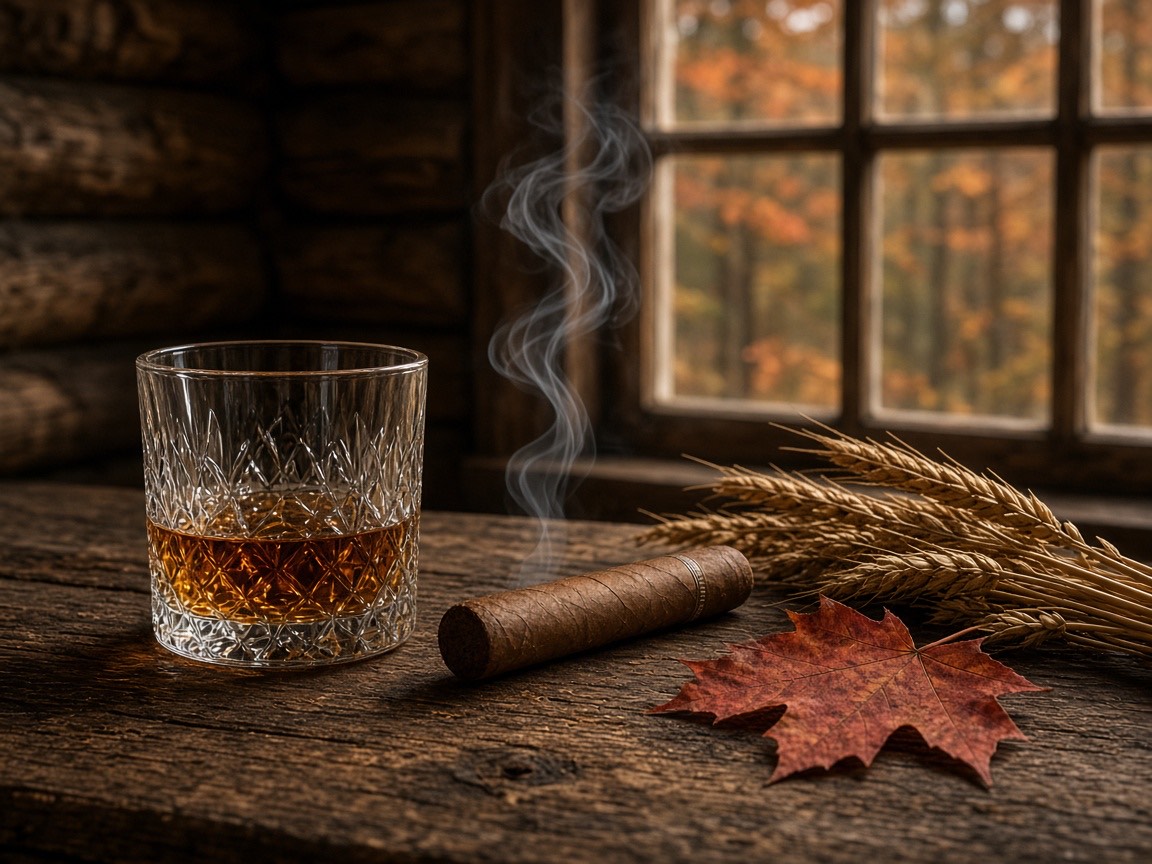
As a pairing group that started in Toronto, we have a soft spot for Canadian whisky. It's often dismissed as a mixer, but there are some excellent sipping whiskies coming out of Canada, and American rye has gone from forgotten to fashionable in the last couple of decades. Both share a signature spice that opens up some great cigar pairings.
Origin
Canadian whisky began in the late 1700s and early 1800s with grist millers in Ontario and Quebec. They had surplus wheat and turned it into spirit. Many were German and Dutch immigrants who added a little rye to the mash for flavour. The spicy result became so popular that Canadians started calling all their whisky "rye," whether it contained much of the grain or not.
The industry grew into some famous names: Gooderham & Worts in Toronto (1832), J.P. Wiser in Prescott (1857), and Hiram Walker, who founded his distillery across the river from Detroit in 1858 and created Canadian Club. American Prohibition (1920 to 1933) was a boom time. Canadian distilleries legally produced whisky that, one way or another, found its way across the border.
American rye has its own history. It was the dominant whiskey of Pennsylvania and Maryland in the 1700s and 1800s, long before bourbon took over. After Prohibition it nearly vanished, but it has made a huge comeback with the cocktail revival.
Where It's Traditionally Made
Canadian whisky must be mashed, distilled and aged in Canada. Major producers are spread across Ontario (Hiram Walker, Canadian Mist), Quebec (Valleyfield), Manitoba (Gimli, home of Crown Royal) and Alberta (Alberta Distillers, Black Velvet).
American rye can be made anywhere in the US. Today, many of the best-known ryes come from Kentucky and Indiana (Wild Turkey, Rittenhouse, Sazerac, Bulleit), with a growing craft scene in Pennsylvania and Maryland, rye's historic home.
How It's Made
Canadian whisky is usually made in a way that's quite different from Scotch or bourbon. Each grain (corn, wheat, rye, barley) is often fermented, distilled and aged separately, then blended at the end. A typical whisky combines a light, high-proof base spirit, usually corn, with a smaller amount of heavier, more flavourful rye whisky.
By law, Canadian whisky must be aged at least three years in small wooden barrels (no larger than 700 litres) and bottled at 40% or more. It may contain caramel colouring and flavourings, and up to 9.09% of other spirits or wine can be blended in. There are exceptions to the blending norm: Alberta Premium, for example, is made from 100% rye.
American rye follows the same rules as bourbon, but with rye in place of corn. The mash must contain at least 51% rye, and it must be aged in new, charred oak containers. "Straight rye" is aged at least two years.
What It Tastes Like
Most Canadian blends are light, smooth and sweet, with caramel, vanilla, a little dried fruit and a gentle rye spice on the finish. Whiskies with more rye (Alberta Premium, Lot No. 40, Crown Royal Northern Harvest) are spicier, with rye bread, pepper, clove and dark fruit. American rye is bolder and drier than bourbon, with black pepper, mint, dill, cinnamon and a lean, crisp finish.
What to Look for in a Cigar
Rye's defining feature is spice, so the main decision is whether to match that spice or balance it.
Light Canadian blends: Go mild to medium so you don't drown the whisky. Connecticut and Ecuadorian shade wrappers with cream, nuts and sweetness work well. Try a Macanudo Cafe with Canadian Club or Crown Royal.
High-rye Canadian and American rye: Match spice with spice. Nicaraguan and Habano-wrapped cigars bring black pepper, cedar and leather that line up with the rye. The Joya de Nicaragua Antaño 1970 is full, peppery and earthy, a bold match for a straight rye. The Oliva Serie V (Habano wrapper, spice and cocoa) is great with Lot No. 40 or Rittenhouse.
To balance the spice instead: A sweet maduro with cocoa and coffee softens a very dry, peppery rye and brings out its fruit. It's a great trick if you find a rye too sharp on its own.
A few tips:
- Canadian whisky is usually lower in proof than American rye, so lean lighter on the cigar.
- Watch the pepper. A peppery cigar and a peppery rye can be fantastic, but if both are at full volume the result can be harsh. Sip slowly and pace your draws.
Browse our rye and cigar pairings, including Black Velvet with the Padrón 1926, or read our Whisky 101 guide for more on how rye compares with other styles.