
Sherry: Origin, Production, and Cigar Pairing
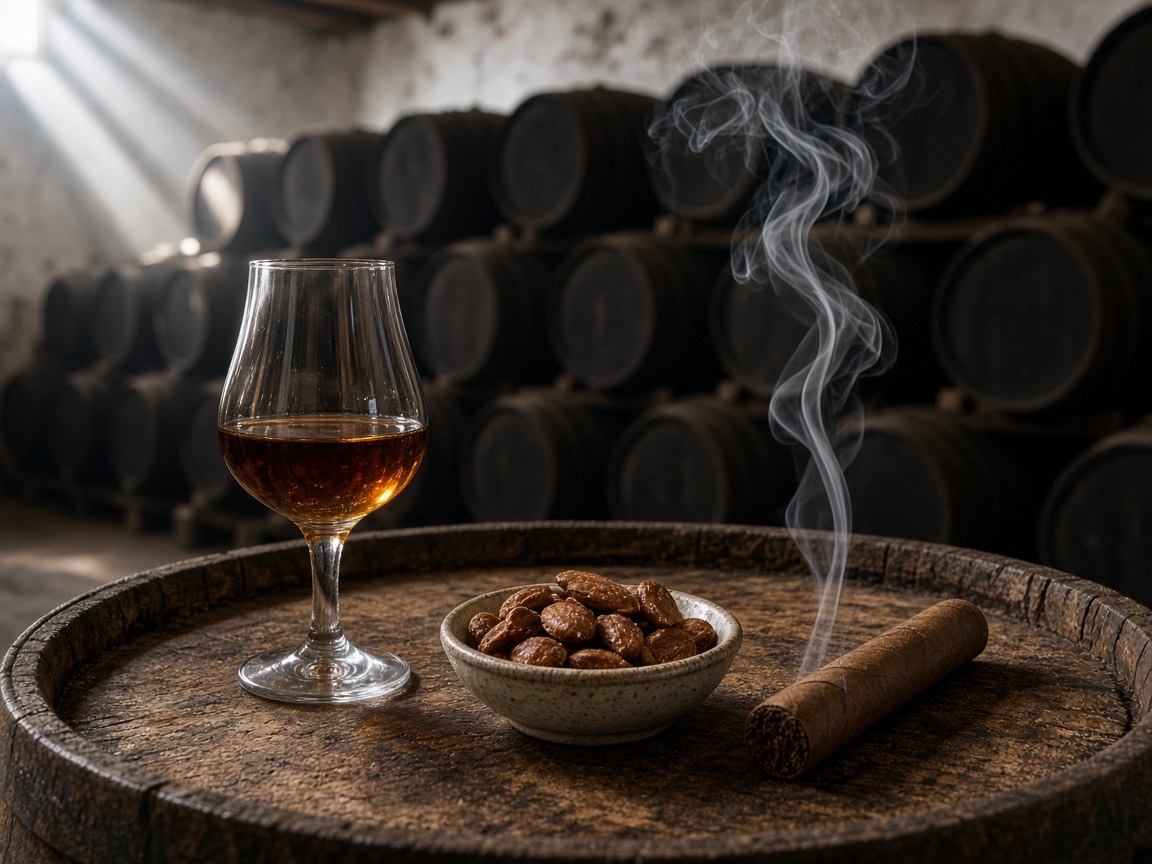
Sherry gives Scotch, Spanish brandy and even some rums much of their character, through the casks it leaves behind. Yet the wine itself is often overlooked. That's a shame, because sherry is one of the world's great wines and a brilliant, very varied cigar partner. A good amontillado or oloroso with a cigar is a revelation.
Origin
Wine has been made around Jerez for about 3,000 years, since Phoenician traders planted vines near Cádiz. Under Moorish rule (from 711 to 1492) the town was called Sherish, which eventually gave us the word "sherry." Distillation also arrived with the Moors, and in time the local spirit was used to fortify the wines.
The English fell in love with sherry, which they called "sack." Shakespeare's Falstaff praises it at length. In 1587, Sir Francis Drake raided Cádiz and carried off around 2,900 barrels of it, which did wonders for its popularity in London. British and Irish merchants later founded or partnered in many of the great bodegas, which is why names like Harveys, Osborne and Garvey appear alongside Spanish ones like González Byass, Lustau and Hidalgo. Sherry became Spain's first protected designation of origin in 1933.
Where It's Traditionally Made
Sherry comes from the "sherry triangle" in Andalusia, in southwest Spain, formed by three towns: Jerez de la Frontera, Sanlúcar de Barrameda and El Puerto de Santa María. Sherry must be aged in one of these towns. The best vineyards grow on albariza, a brilliant white chalky soil that holds moisture through the hot, dry summers. Cooling Atlantic breezes help, especially in the seaside town of Sanlúcar.
How It's Made
Most sherry is made from the Palomino grape, which makes a neutral, dry base wine. Sweet sherries are made from Pedro Ximénez (PX) or Moscatel grapes, which are often sun-dried into raisins before pressing.
After fermentation, the wine is fortified with grape spirit, and the winemaker decides which path it will take:
- Biological aging: wines fortified to about 15% grow a layer of yeast called flor on their surface. The flor protects the wine from oxygen and gives it a tangy, bready, saline character. This makes Fino and, in Sanlúcar, Manzanilla.
- Oxidative aging: wines fortified to about 17% or more can't support flor, so they age in contact with air, darkening and gaining nutty richness. This makes Oloroso.
- Both: Amontillado starts life under flor, then the flor dies off and the wine continues aging oxidatively. Palo Cortado is a rare, prized style that combines amontillado's elegance with oloroso's richness.
All sherry ages in the solera system. Barrels are arranged in tiers. Wine for bottling is drawn from the oldest tier, which is topped up from the next-oldest, and so on, with new wine going in at the top. Every bottle is a blend of many vintages, with a minimum average age of two years. Labels marked VOS (20+ years average) and VORS (30+ years) indicate very old sherries.
Sweet PX and Moscatel sherries, and blended "cream" sherries, round out the range.
What It Tastes Like
- Fino and Manzanilla – pale, bone-dry and crisp: almonds, bread dough, green apple and sea salt.
- Amontillado – amber and dry: hazelnut, toffee, dried orange peel and a savoury tang.
- Oloroso – mahogany and dry (despite its rich aroma): walnut, leather, tobacco, dried fruit and spice.
- Pedro Ximénez – almost black and very sweet: raisins, figs, molasses, coffee and chocolate.
What to Look for in a Cigar
There's a sherry for almost any cigar. The style determines everything, so match the cigar's weight to the wine's.
Fino and Manzanilla: These are delicate, chilled and lower in alcohol. Choose a mild Connecticut shade cigar with cream and nuts, and keep it short. A Romeo y Julieta Reserva Real works nicely. Anything bolder will overwhelm the wine.
Amontillado and Oloroso: This is where sherry really shines with cigars. Go medium to medium-full. Cuban, Habano and Cameroon wrappers bring cedar, leather, toasted nuts and spice that echo the wine's nutty dryness. The H. Upmann Magnum 46 is a classic Cuban partner for an amontillado.
Pedro Ximénez: Treat it like dessert. A full-bodied maduro with dark chocolate, espresso and earth balances the sweetness, so it doesn't become cloying. The Padrón 1964 Anniversary Maduro with a glass of PX is pure indulgence.
A few tips:
- Serve fino and manzanilla well chilled, amontillado lightly chilled, and oloroso and PX just below room temperature.
- Finos are like white wine: drink them within a few days of opening. Olorosos and PX keep for weeks.
- Sherry is generally lower in alcohol than spirits, so it lets you appreciate the subtleties of the cigar.
For sherry's spirited cousin, see our Spanish brandy guide and our review of Cardenal Mendoza Solera Gran Reserva with Ezra Zion All My Exes.